
What Makes a Successful Liquor Campaign? Expert Insights and Tips
CD
Understanding the Target Audience
A successful liquor campaign begins with a deep understanding of the target audience. Knowing who you are trying to reach influences every aspect of the campaign, from messaging to distribution channels. Consider factors like age, gender, location, and lifestyle. Are you targeting millennials who prefer innovative cocktails, or are you focusing on connoisseurs who appreciate premium whiskey? Tailoring your campaign to your audience is crucial for success.

Crafting a Compelling Story
Storytelling is a powerful tool in marketing, and liquor brands can greatly benefit from creating a compelling narrative. A strong story can create an emotional connection with consumers, making your brand memorable. Highlight the brand's heritage, unique ingredients, or the craftsmanship involved in production. A well-crafted story can differentiate your brand in a crowded market.
Leveraging Visual Appeal
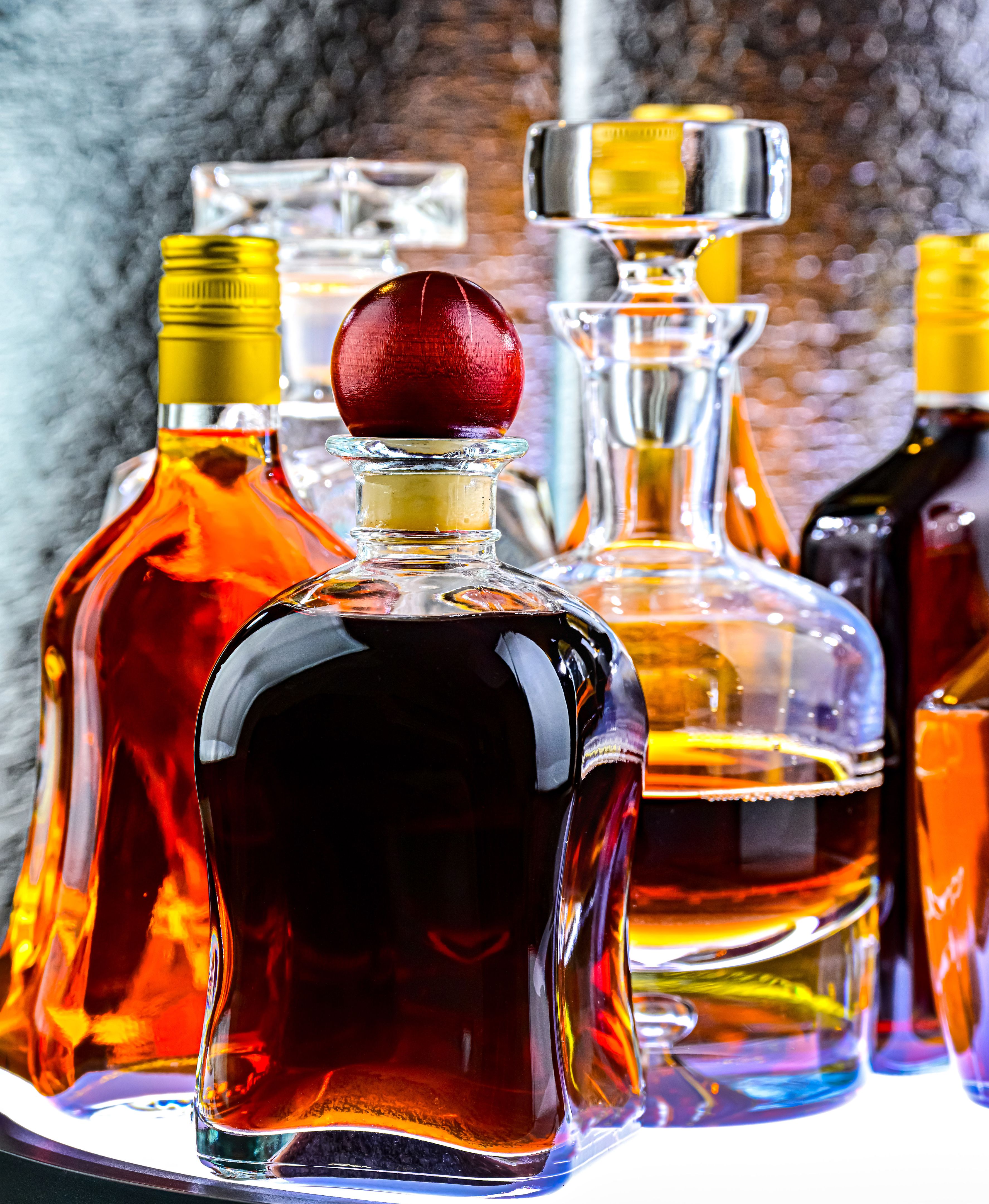
Visuals play a vital role in liquor campaigns. High-quality images and videos can showcase the product's allure and set the desired tone. Whether it's a sleek bottle design or a stunning cocktail presentation, visuals should reflect the brand's identity and attract the target demographic. Consistency in visual branding across all platforms enhances recognition and trust.
Utilizing Social Media Platforms
Social media offers a unique opportunity for liquor brands to engage directly with consumers. Platforms like Instagram, Facebook, and TikTok allow for creative expression and audience interaction. Share behind-the-scenes content, host virtual tastings, or collaborate with influencers to broaden your reach. Social media campaigns should be engaging, authentic, and aligned with the brand's voice.
Strategic Partnerships and Collaborations
Partnering with influencers, mixologists, and other brands can amplify your campaign's reach. Influencers can introduce your product to new audiences, while collaborations with mixologists can highlight innovative ways to enjoy your product. Strategic partnerships can also include events, sponsorships, or co-branded products, all of which can enhance visibility and credibility.

Measuring Success and Adjusting Strategies
Tracking the success of your liquor campaign is essential for ongoing improvement. Utilize analytics tools to monitor engagement rates, sales figures, and overall brand sentiment. Regularly reviewing these metrics allows you to identify what's working and what needs adjustment. Being flexible and willing to adapt your strategy based on data insights can lead to sustained success.
Compliance with Regulations
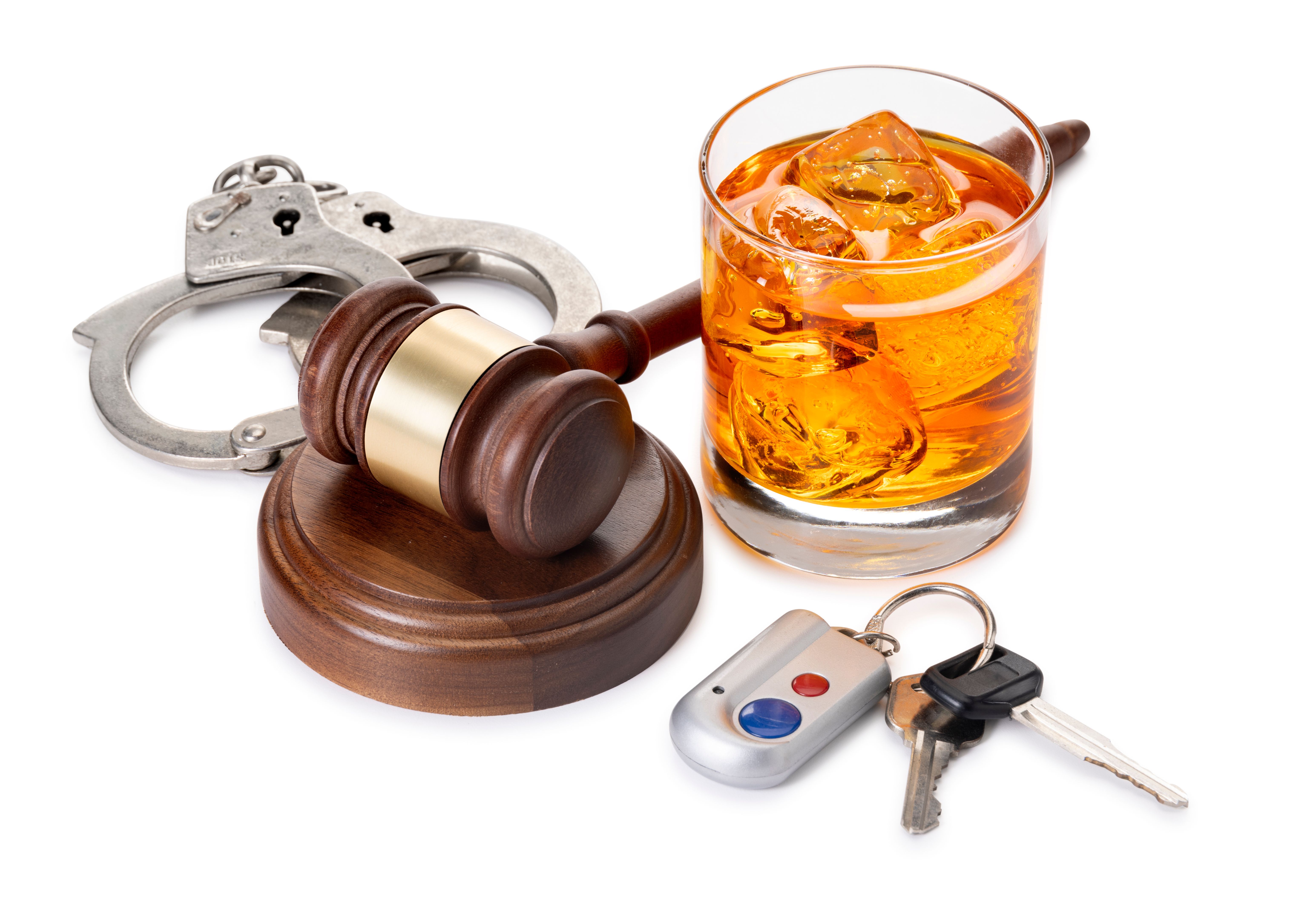
Liquor marketing is subject to various regulations that differ by region. Ensuring compliance with advertising laws and ethical guidelines is crucial to avoid legal issues. Be transparent about age restrictions and responsible consumption in your messaging. Working closely with legal experts can help navigate these complexities and maintain the integrity of your campaign.
Conclusion
Creating a successful liquor campaign involves a mix of creativity, strategy, and compliance. By understanding your audience, crafting a compelling story, leveraging visual appeal, utilizing social media, forming strategic partnerships, measuring success, and ensuring compliance, you can build a campaign that resonates and achieves your business goals. Stay informed of industry trends and be ready to innovate to keep your brand at the forefront.