
Seasonal Marketing Strategies for Alcohol Brands: Capitalizing on Trends
CD
Understanding Seasonal Trends
Seasonal marketing strategies are crucial for alcohol brands looking to capitalize on consumer trends. Understanding the cyclical nature of demand can help brands tailor their marketing efforts to maximize engagement and sales. Each season brings unique opportunities and challenges, making adaptability a key component of successful campaigns.
Spring and Summer: Refreshing Opportunities
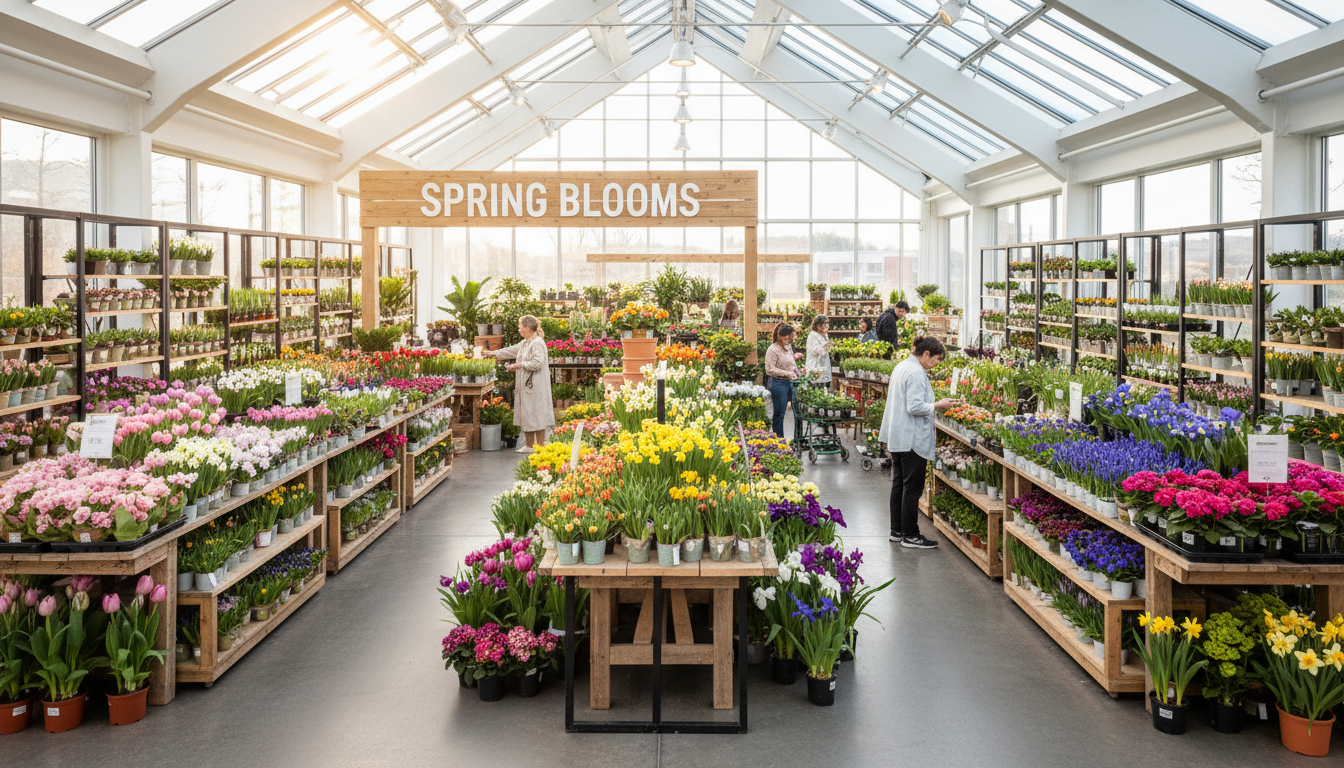
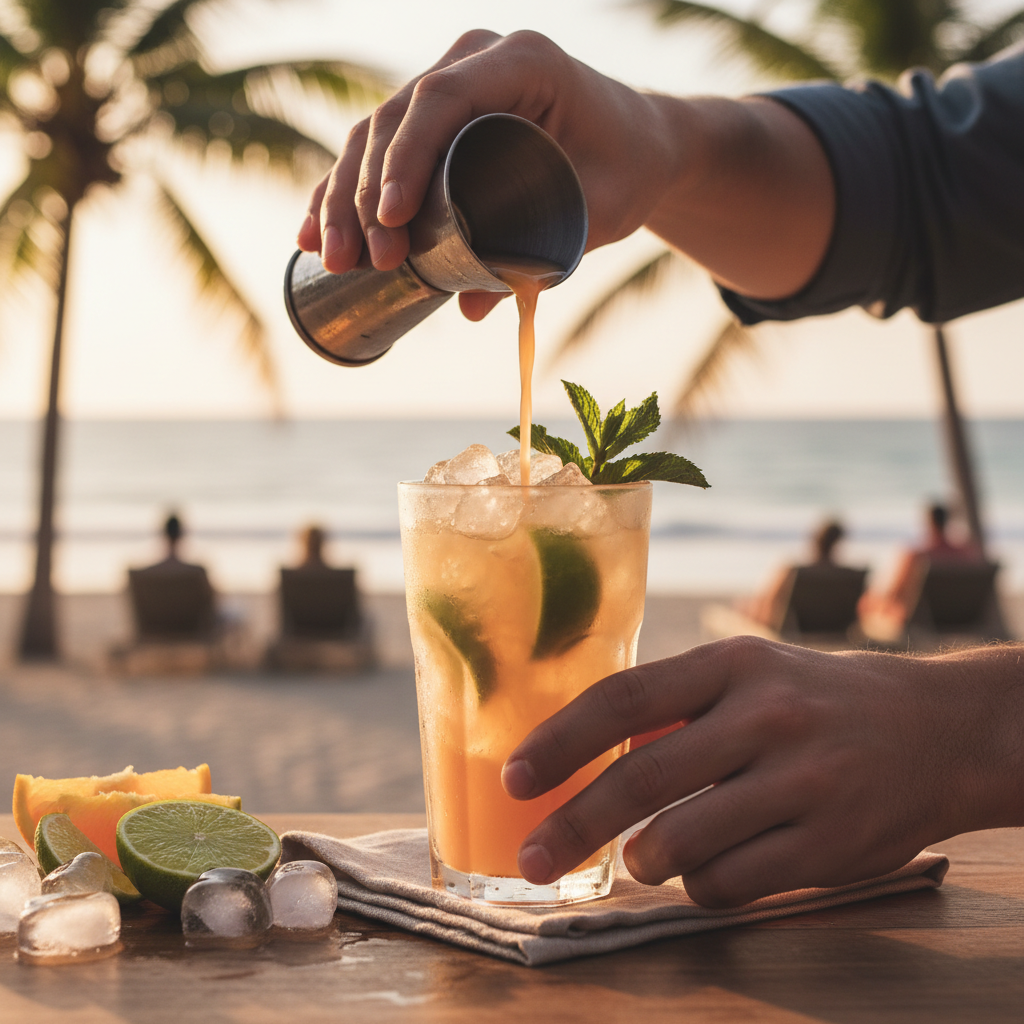
The warmer months are synonymous with social gatherings and outdoor events, making them ideal for promoting light, refreshing beverages. Spring and summer present an opportunity to emphasize products that align with these seasonal activities. Highlighting cocktails or beers that pair well with barbecues and beach outings can lead to increased consumer interest.
Brands can also leverage festivals and holidays like Memorial Day and the Fourth of July. Creating limited-edition products or special packaging can generate excitement and encourage purchases. Collaborating with local events can further enhance visibility and connect with a broader audience.
Leveraging Social Media and Influencers
Social media plays a significant role in seasonal marketing strategies. Partnering with influencers who align with the brand’s image can help reach target audiences effectively. Encouraging user-generated content around seasonal themes can also boost brand visibility and engagement.
Autumn: Warm and Cozy Campaigns
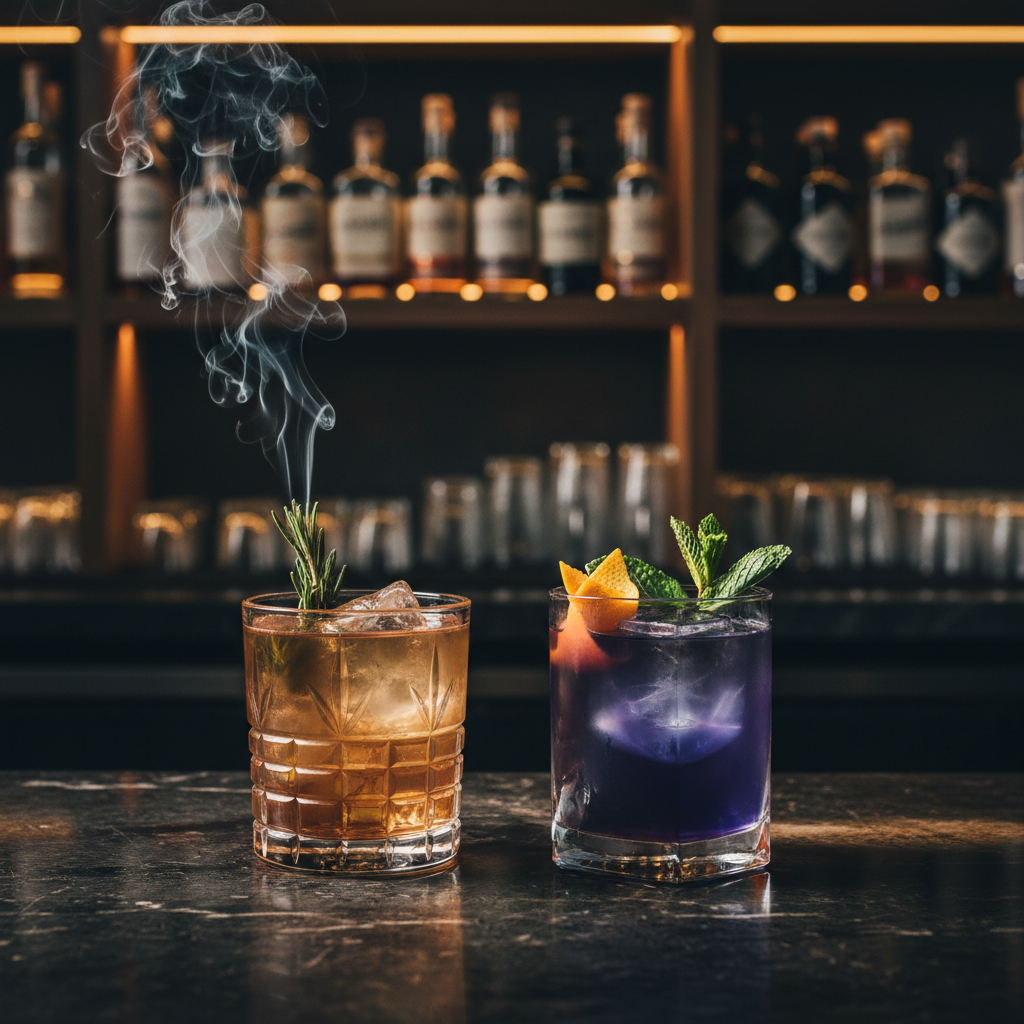
As the weather cools, consumers gravitate towards warmer and richer flavors. Autumn is the perfect time to promote spiced or full-bodied drinks. Highlighting products that complement fall activities, like tailgating or Halloween parties, can create a strong connection with consumers.
Brands can capitalize on the popularity of seasonal flavors like pumpkin spice or apple cider. Limited-time offerings that incorporate these flavors can drive curiosity and encourage trial among consumers.
Engaging with Festive Occasions
Autumn is filled with festive occasions that provide ample marketing opportunities. Hosting events or promotions around Thanksgiving can foster a sense of community and enhance brand loyalty. Additionally, collaborating with food brands for pairing suggestions can offer added value to consumers.
Winter: Celebrating with Tradition
The winter season is rich with traditions and celebrations, offering numerous opportunities for alcohol brands to engage with their audience. Emphasizing products that align with holiday festivities like Christmas and New Year’s Eve can result in increased sales.
Winter is also a time when consumers seek comfort and indulgence. Promoting premium or specialty products as gifts can attract consumers looking to celebrate or show appreciation to loved ones.

Creating Memorable Experiences
Brands can enhance their seasonal marketing strategies by creating memorable experiences. Hosting virtual tastings or holiday-themed events can engage consumers and foster a deeper connection with the brand. Offering exclusive content or behind-the-scenes looks at product creation can further enrich the consumer experience.
Conclusion: Adapting to Consumer Needs
Seasonal marketing strategies require flexibility and a keen understanding of consumer behavior. By aligning products and campaigns with seasonal trends, alcohol brands can create meaningful connections and drive sales. Emphasizing unique, timely offerings and leveraging digital platforms can ensure that brands remain relevant and engaging throughout the year.