
Debunking Myths: What Really Makes a Liquor Campaign Successful?
CD
Understanding the Basics
When it comes to crafting a successful liquor campaign, many misconceptions can cloud the judgment of marketers and brand managers. It’s essential to understand that a liquor campaign is not just about flashy ads and catchy slogans. While these elements can contribute to a brand’s identity, the real success comes from a deeper understanding of the market, the audience, and the brand's unique value proposition.
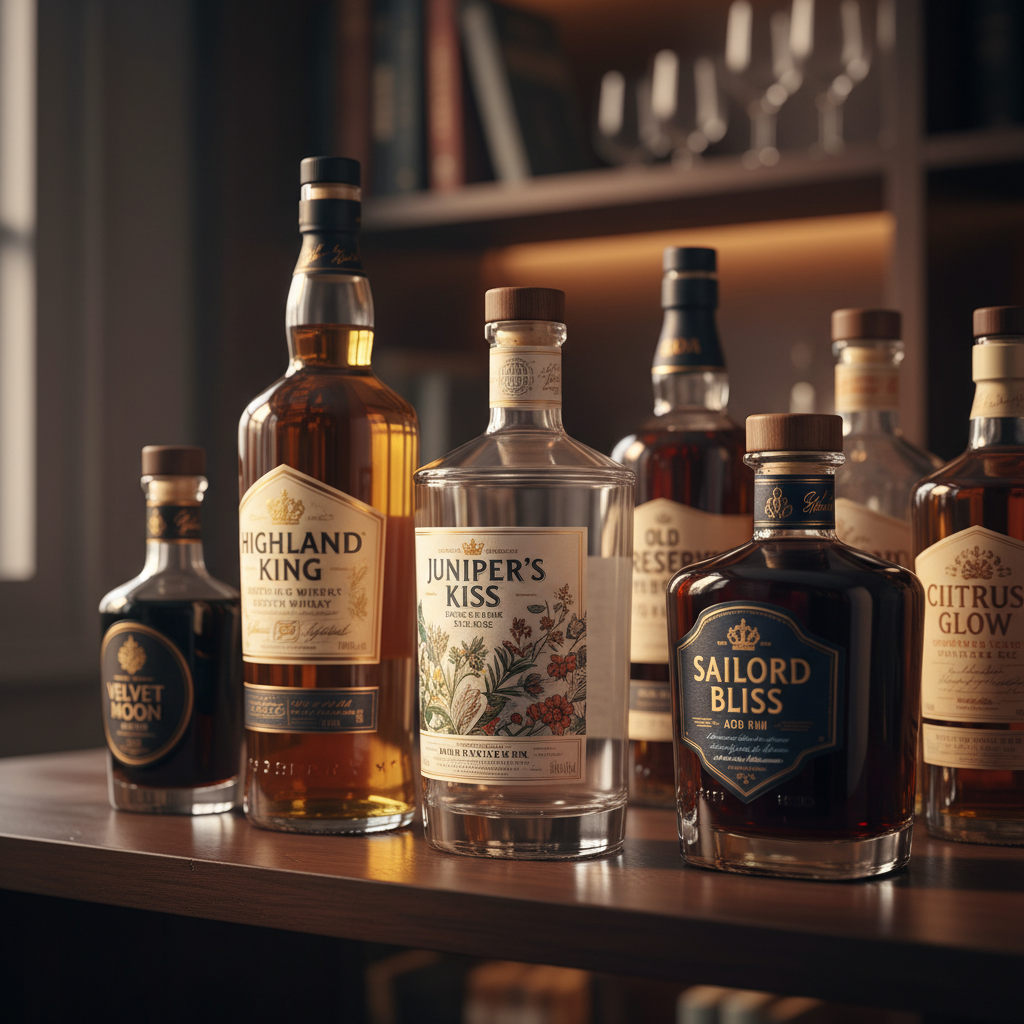
Myth: The More You Spend, The More You Gain
One of the most pervasive myths in liquor marketing is that a larger budget guarantees a successful campaign. While budget is undoubtedly an important factor, it does not automatically translate to success. Effective campaigns often leverage creativity and targeted strategies over sheer spending. Brands that understand their audience and tailor their message accordingly can achieve impactful results without breaking the bank.
Targeting the Right Audience
Identifying and understanding your target audience is crucial. A successful liquor campaign is one that resonates with its intended demographic. This means conducting thorough research to understand consumer preferences, behaviors, and trends. By aligning the campaign’s message with the audience's values and interests, brands can forge stronger connections and drive engagement.

The Power of Storytelling
Another key factor in a successful liquor campaign is storytelling. Brands that weave compelling narratives around their products can create emotional connections with consumers. This approach transforms a simple purchase into an experience. Whether it's the heritage of a distillery or the unique process of crafting a particular spirit, storytelling can differentiate a brand in a crowded market.
Myth: Social Media is Just for Younger Audiences
There is a common misconception that social media marketing is only effective for reaching younger consumers. However, platforms like Instagram, Facebook, and even TikTok have diverse user bases, including older demographics. Liquor brands can utilize these platforms to showcase their products, engage with customers, and build brand loyalty across various age groups.

Leveraging Influencer Partnerships
Influencer marketing has become a powerful tool in the arsenal of liquor brands. By partnering with influencers who align with the brand's values and aesthetics, companies can reach new audiences and build credibility. Influencers can showcase products in an authentic way that resonates with their followers, driving both awareness and sales.
Emphasizing Quality and Uniqueness
Highlighting the quality and unique aspects of your product is essential in distinguishing it from competitors. Consumers are increasingly seeking premium experiences, so showcasing the craftsmanship, ingredients, and unique flavors can enhance a brand’s appeal. Transparency and authenticity in these aspects can foster trust and loyalty among consumers.

Myth: Traditional Media is Obsolete
While digital channels are crucial, traditional media still holds value, especially in liquor marketing. Television, print, and outdoor advertising can reach audiences that may not be as active online. A balanced approach that includes both digital and traditional media can ensure comprehensive coverage and maximize a campaign's reach.
In conclusion, debunking these common myths is vital for anyone looking to create a successful liquor campaign. By focusing on audience understanding, storytelling, and strategic media use, brands can craft campaigns that truly resonate and achieve lasting success.