
Comparing Liquor Marketing Strategies: What Works Best?
CD
Understanding Liquor Marketing Strategies
The liquor industry is a competitive market where brands vie for consumer attention through innovative marketing strategies. Each approach is tailored to capture a distinct audience, leveraging unique selling points and cultural trends. Understanding these strategies can illuminate what works best in this dynamic field.
One effective strategy is the use of storytelling. Brands often create narratives that resonate with their target demographics, building an emotional connection. This can be seen in campaigns that highlight a brand's heritage or craftsmanship, appealing to consumers who appreciate tradition and quality.
Digital Marketing and Social Media
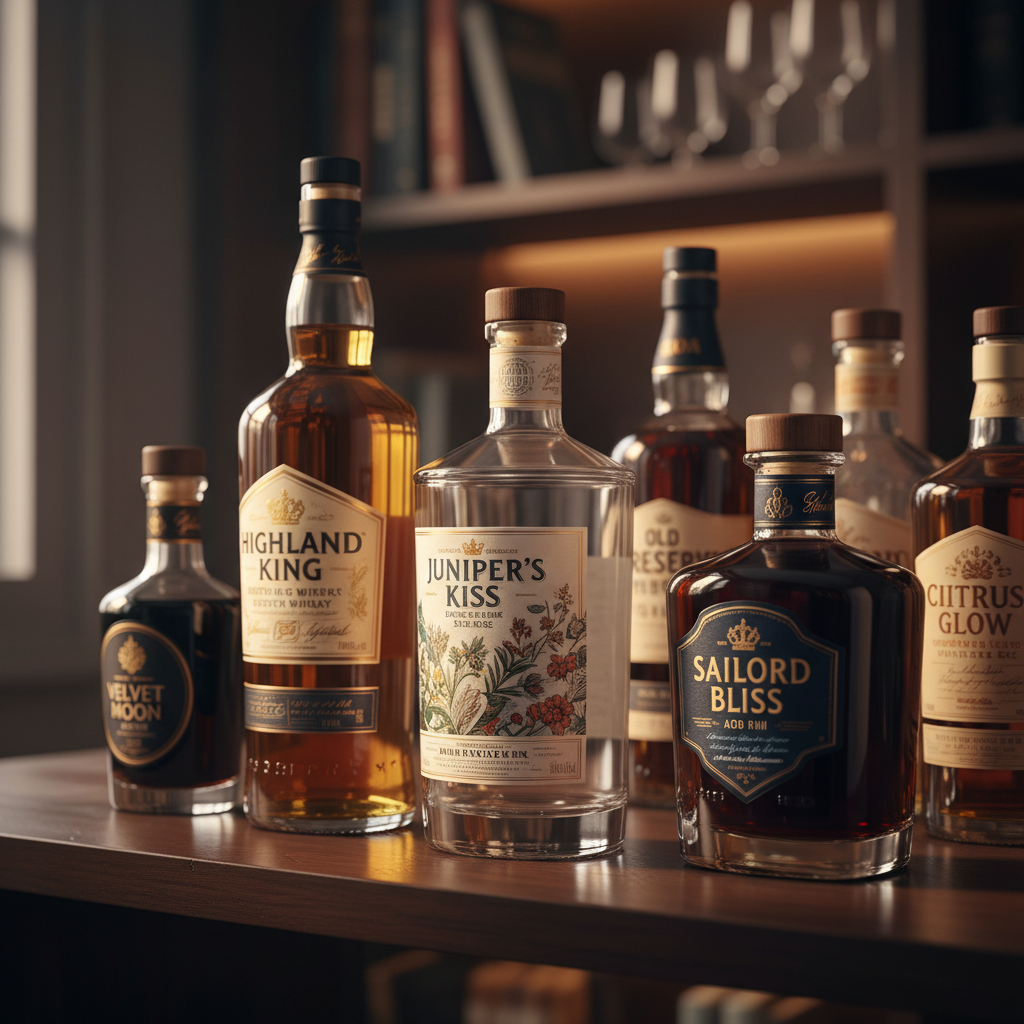
In today's digital age, social media platforms are indispensable for liquor marketing. Brands utilize platforms like Instagram and Facebook to engage directly with consumers, often using influencers to expand their reach. The visual nature of these platforms allows for creative content that can showcase product aesthetics and lifestyle aspirations.
Engagement is key. Successful campaigns often encourage user interaction through contests or user-generated content. This not only increases brand visibility but also fosters community among consumers, creating loyal brand advocates.

Experiential Marketing
Experiential marketing is another strategy that has gained traction. Liquor brands create memorable experiences through events, tastings, and collaborations. These experiences allow consumers to connect with the brand on a deeper level, often leading to stronger brand loyalty.
Pop-up bars and exclusive tasting sessions are examples of how brands create unique experiences. By offering something tangible and memorable, brands can leave a lasting impression that goes beyond traditional advertising.

Traditional Advertising and Its Role
While digital strategies are on the rise, traditional advertising still plays a crucial role in liquor marketing. Television commercials, print ads, and billboards remain effective, especially when targeting older demographics who trust these media forms.
These traditional methods often focus on mass appeal, showcasing the product's unique qualities and its place in social settings. By combining these with digital efforts, brands can create a comprehensive marketing approach that covers all bases.
Regulatory Considerations
It's important to note that liquor marketing is subject to strict regulations. Brands must navigate advertising laws that vary by region, ensuring that their campaigns are both effective and compliant. This often requires creative solutions to maintain engagement without crossing legal boundaries.
Understanding these regulations is crucial for any successful marketing strategy. Brands that can innovate within these constraints often find unique ways to stand out in the marketplace.
Conclusion: What Works Best?
The best liquor marketing strategies are those that blend innovation with authenticity. By leveraging storytelling, digital platforms, experiential marketing, and traditional advertising, brands can effectively reach and resonate with their target audiences.
Ultimately, the most successful strategies are those that align with a brand's identity and values, connecting with consumers on a personal level and creating lasting impressions.